Trauma &Fracture Surgery
Whether from a fall, a traffic accident or sport, the aim in fractures and joint injuries is to heal the bone in the right position, protect joint motion and get the patient back to daily life as soon as possible.
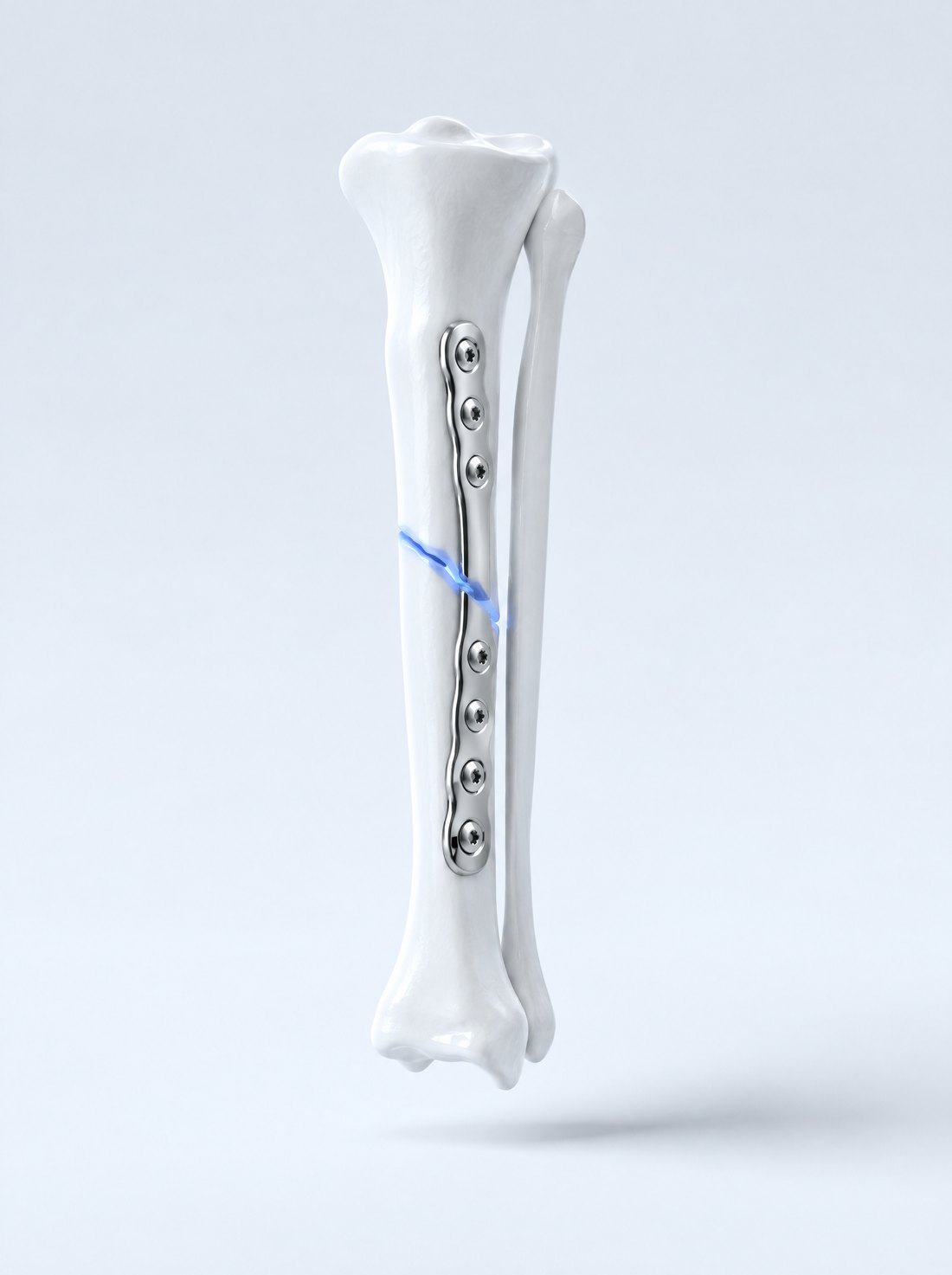
Whether from a fall, a traffic accident or sport, the aim in fractures and joint injuries is to heal the bone in the right position, protect joint motion and get the patient back to daily life as soon as possible.
Fractures of the arm, leg, wrist, ankle and around the joints, as well as complex injuries with dislocations or ligament damage, fall within this field.
After examination, X-rays and, when needed, CT scans define the fracture pattern and displacement. Treatment is planned according to the fracture, the patient’s age, bone quality and activity level.
Some undisplaced fractures can be treated with a cast or splint. Displaced fractures or those involving the joint surface are fixed surgically with plates, screws or intramedullary nails. In older patients with hip fractures, joint replacement is preferred when appropriate.
Stable fixation allows early movement and physiotherapy. Bone healing is followed with control X-rays, which guide weight-bearing and return to sport.
No. Many undisplaced, stable fractures heal in a cast or splint. The decision depends on the fracture pattern.
Usually not. Removal may be planned if they cause symptoms or in specific situations.
This page provides general information. The right treatment for you is decided with your doctor after examination and tests.
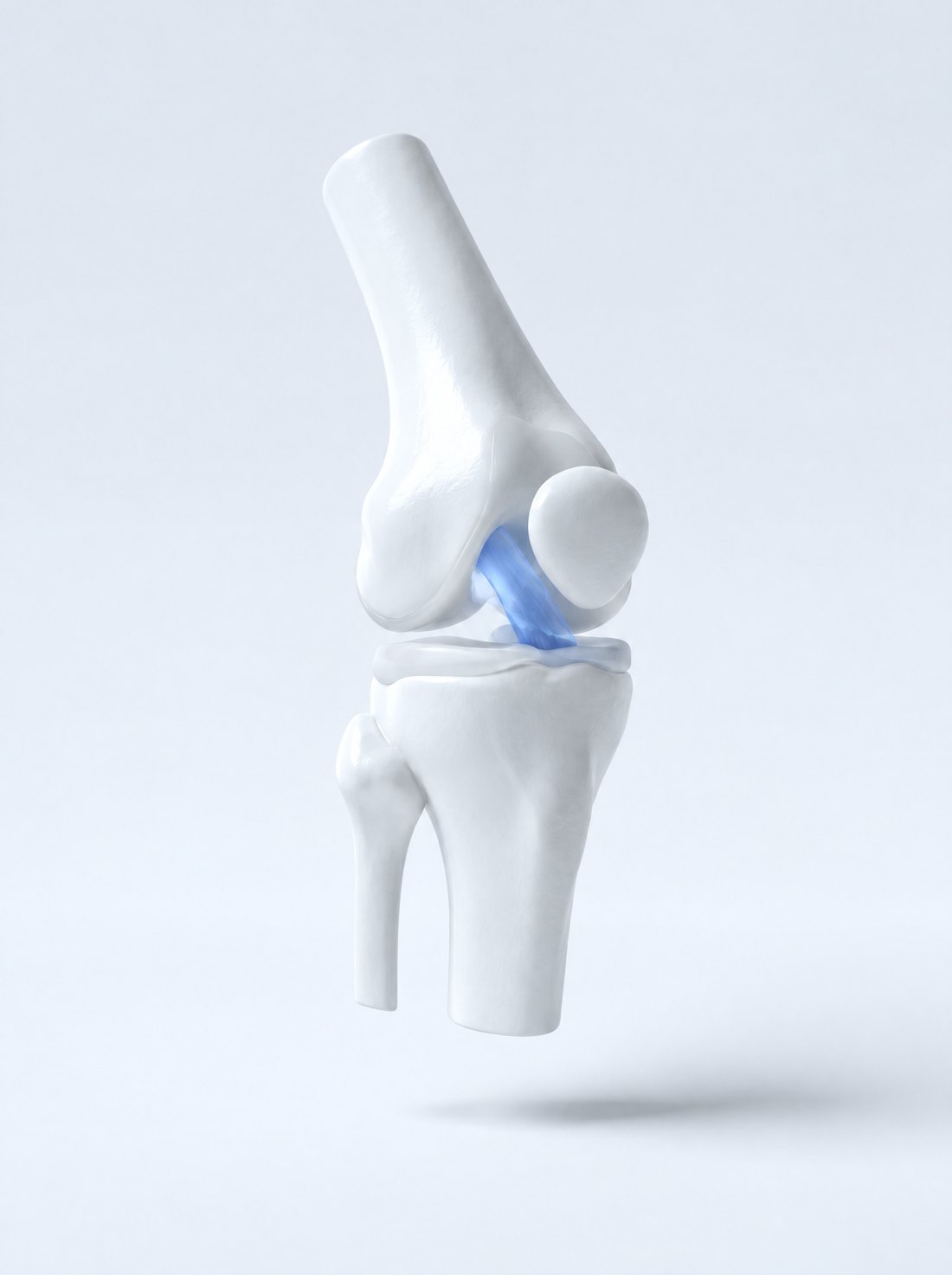
The key stabilising ligament of the knee, often torn in sudden pivots and landings.
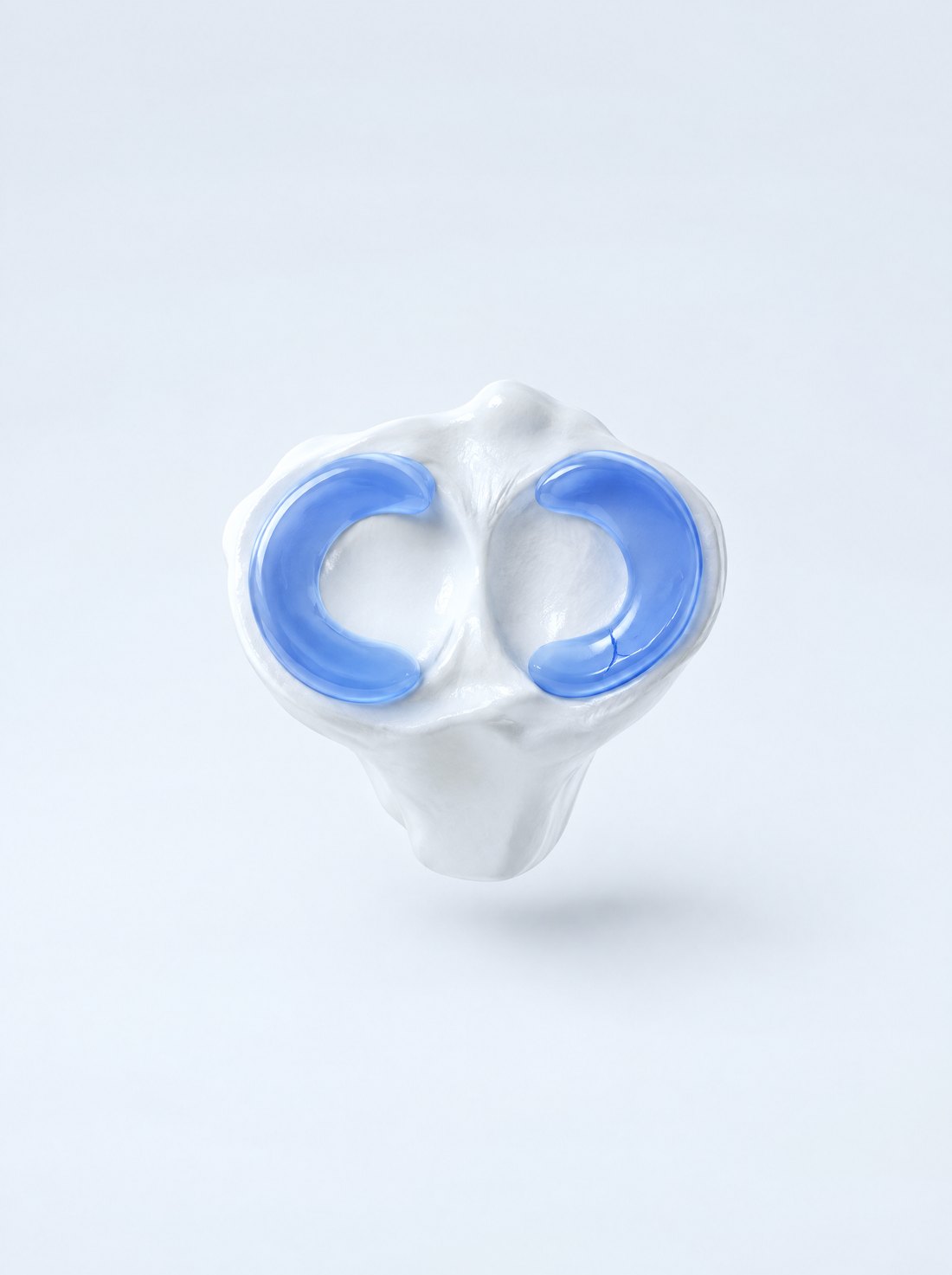
A tear in the knee’s shock absorber — not every tear needs surgery.
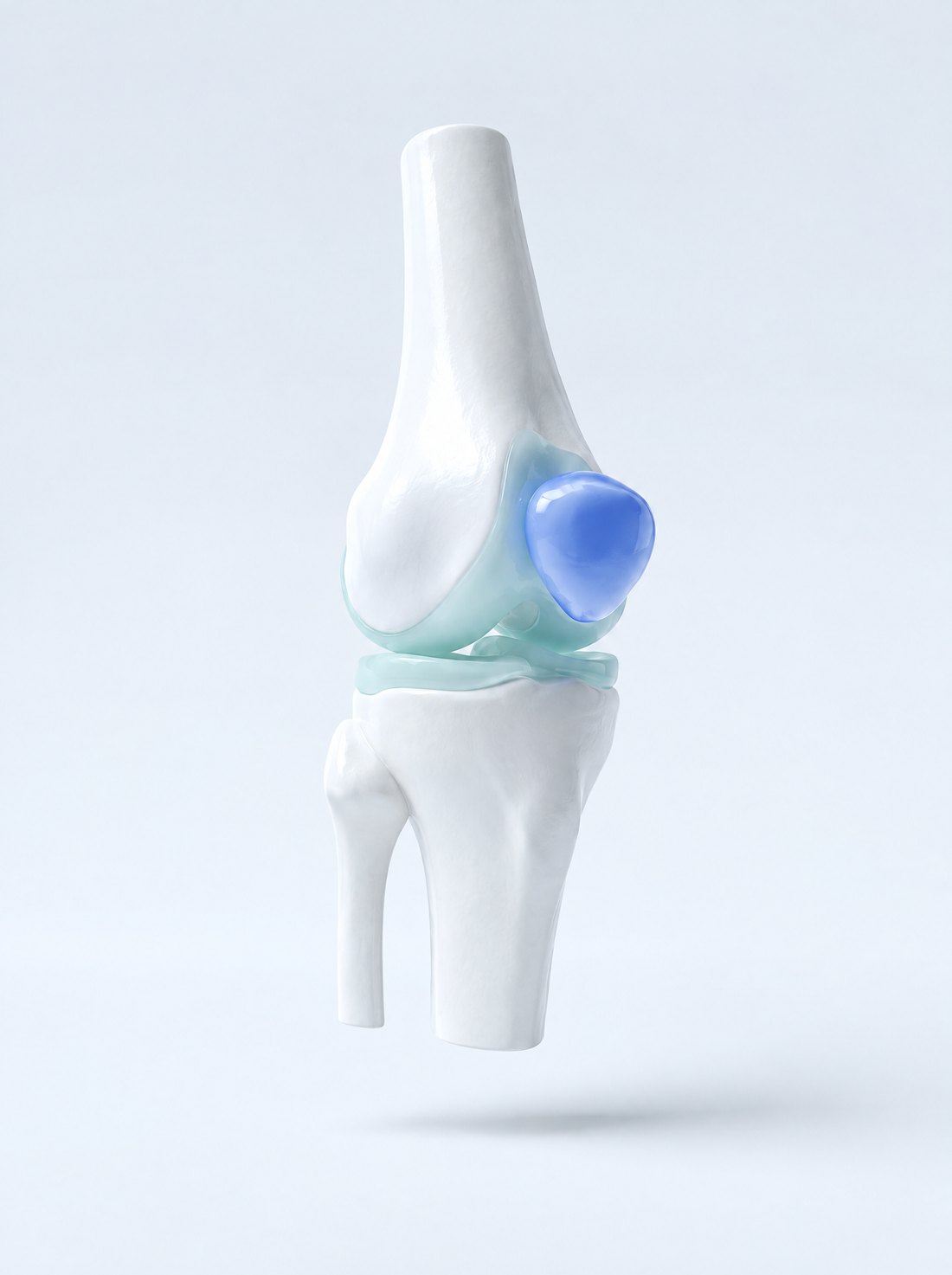
When the kneecap dislocates or feels as if it is about to slip out.
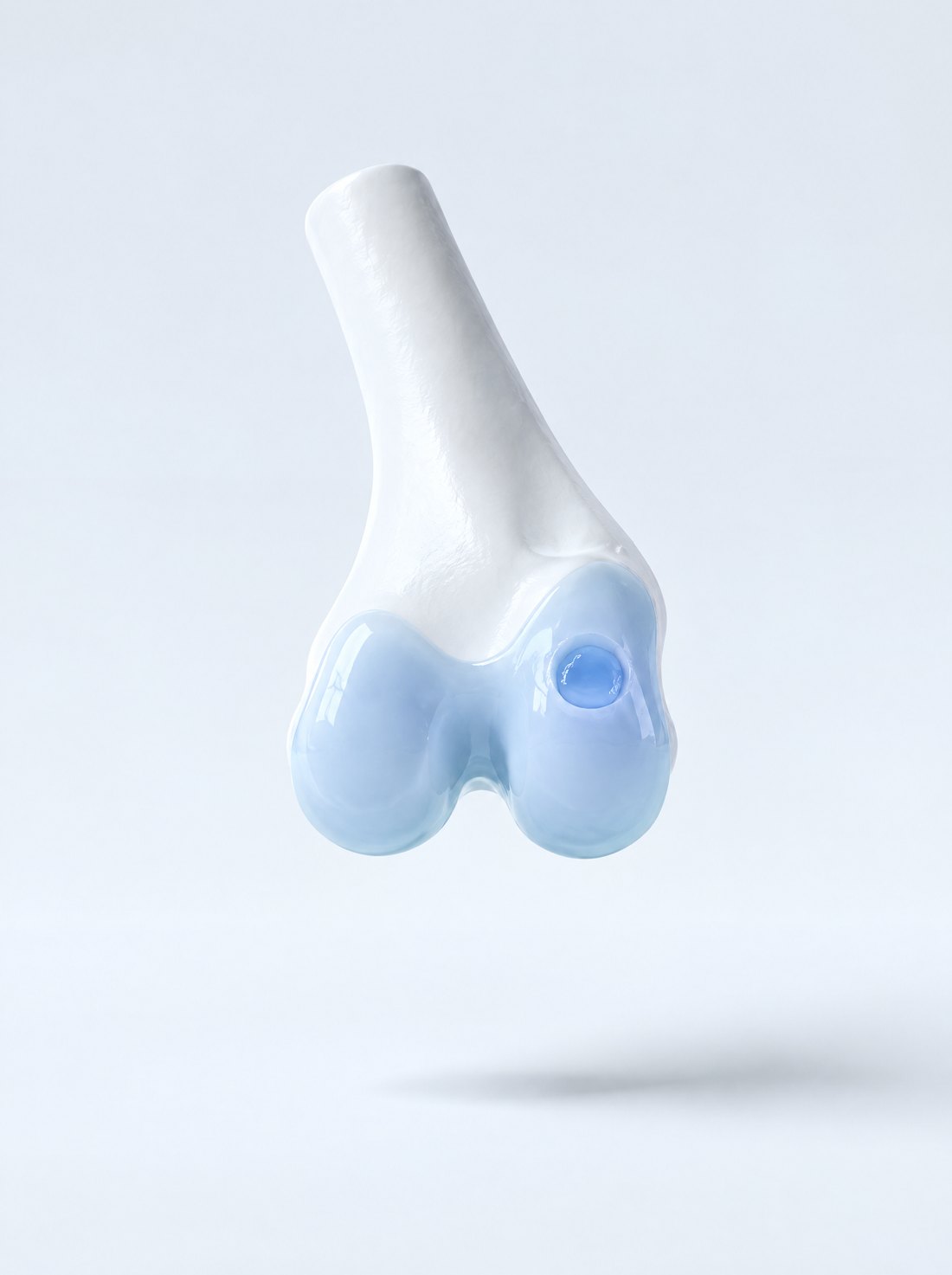
Joint-preserving approaches for damage to the cartilage that protects the joint surface.